The case against smartphone photography
We're told that with a camera in every person's pocket, everyone is now a photographer and we are living in the renaissance of family photos.
We've been led to believe that instantly sharable digital photography is more resilient than the shoeboxes of photos under our beds.
But, on the contrary, we are actually living in the dark ages of family photos; most photos taken today are materially worse than those from our childhood, and most of these digital photos will be lost to time within a matter of years.
I'm imploring you to stop using your smartphone to take photos that are intended to preserve personal memories or hold sentimental value.
Buy a *real* camera instead.
Smartphone photography is going to ruin a whole generation's family photos—
Focal Length
All smartphones ship with a default focal length of less than 30mm.
This causes subjects to be diminished while surroundings take precedent and significant distortion occurs at the edges of the image.
Our intention is to capture intimate family moments, but these lenses are more appropriate for filming fish-eyed skateboard videos.
This is, of course, indicative of our current social-media culture— setting is more important than subject, the where becomes more important than the who.
It's also a common amateur photographer mistake to want to capture everything in a scene and assume there is no difference between physically zooming-in and "just cropping afterwards".
A significant part of what makes for a beautiful image is framing and omission.
Of course phone cameras have optical zoom now, but the problem is you cannot change the default zoom level.
Most people use whatever is initially set when they open the camera app, which is typically very wide angle (~24mm on the newest iPhones).
Prior to digital photography, most off-the-shelf film cameras were sold with a 50mm lens, and the 35mm film format produced a shallower depth of field. This is why family photos from the 80s and 90s look so tasteful despite our parents being amateur photographers- framing was tight and intimate.
Artificial Intelligence
Smartphones don't take real photos, in the sense that there is no longer a deterministic link between the light the sensor saw and the pixels stored in memory.
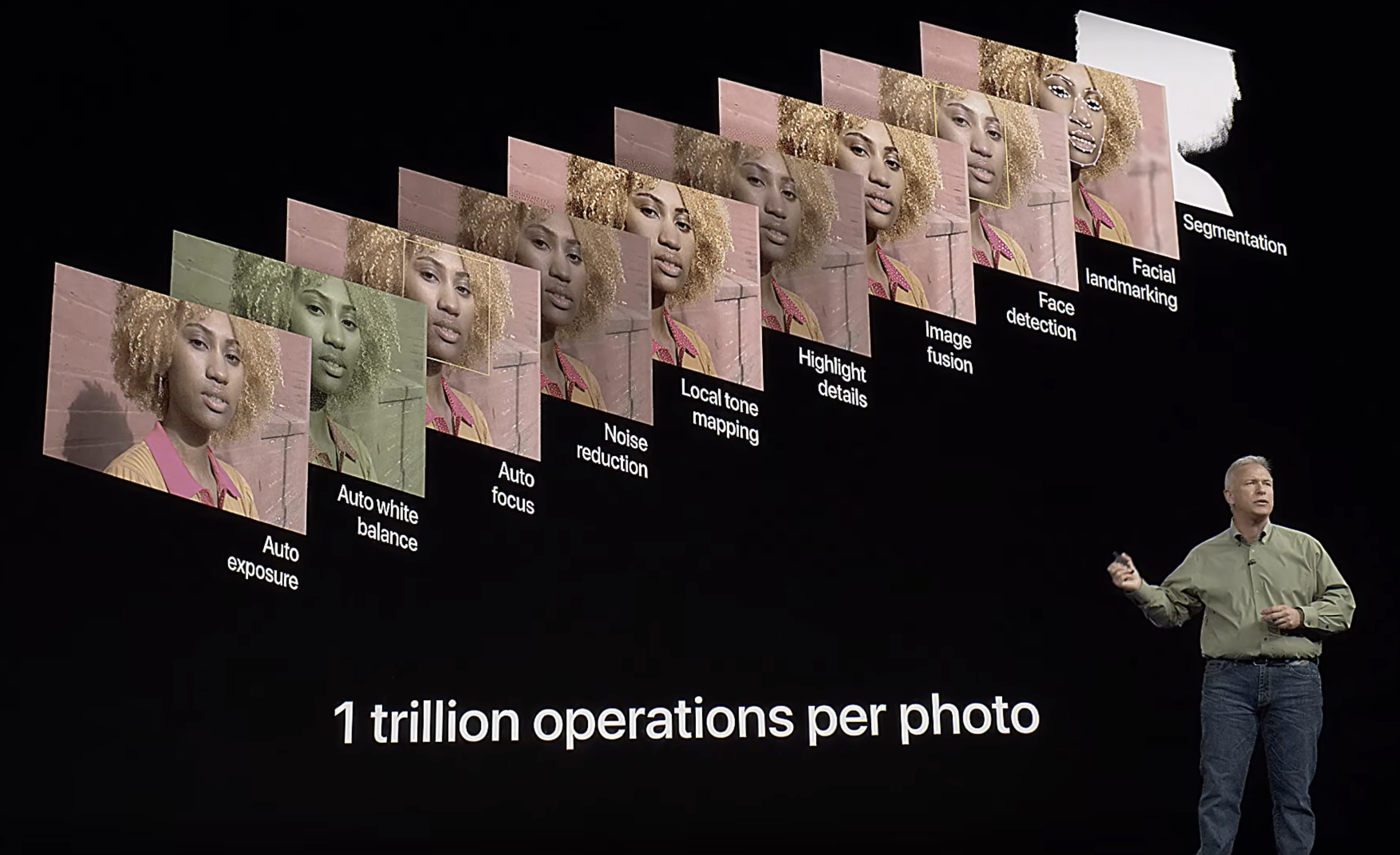 Phil Schiller at WWDC in September 2018, introducing the iPhone XS, showcasing the number of computations and modifications automatically made to every photo
Smartphone photography is becoming indistinguishable from AI slop, because it literally is AI slop. Manufacturers use inexpensive image sensors and use software to make up for the lack of quality. Google Pixel and Samsung are the worst offenders, but iPhones also heavily processes every image.
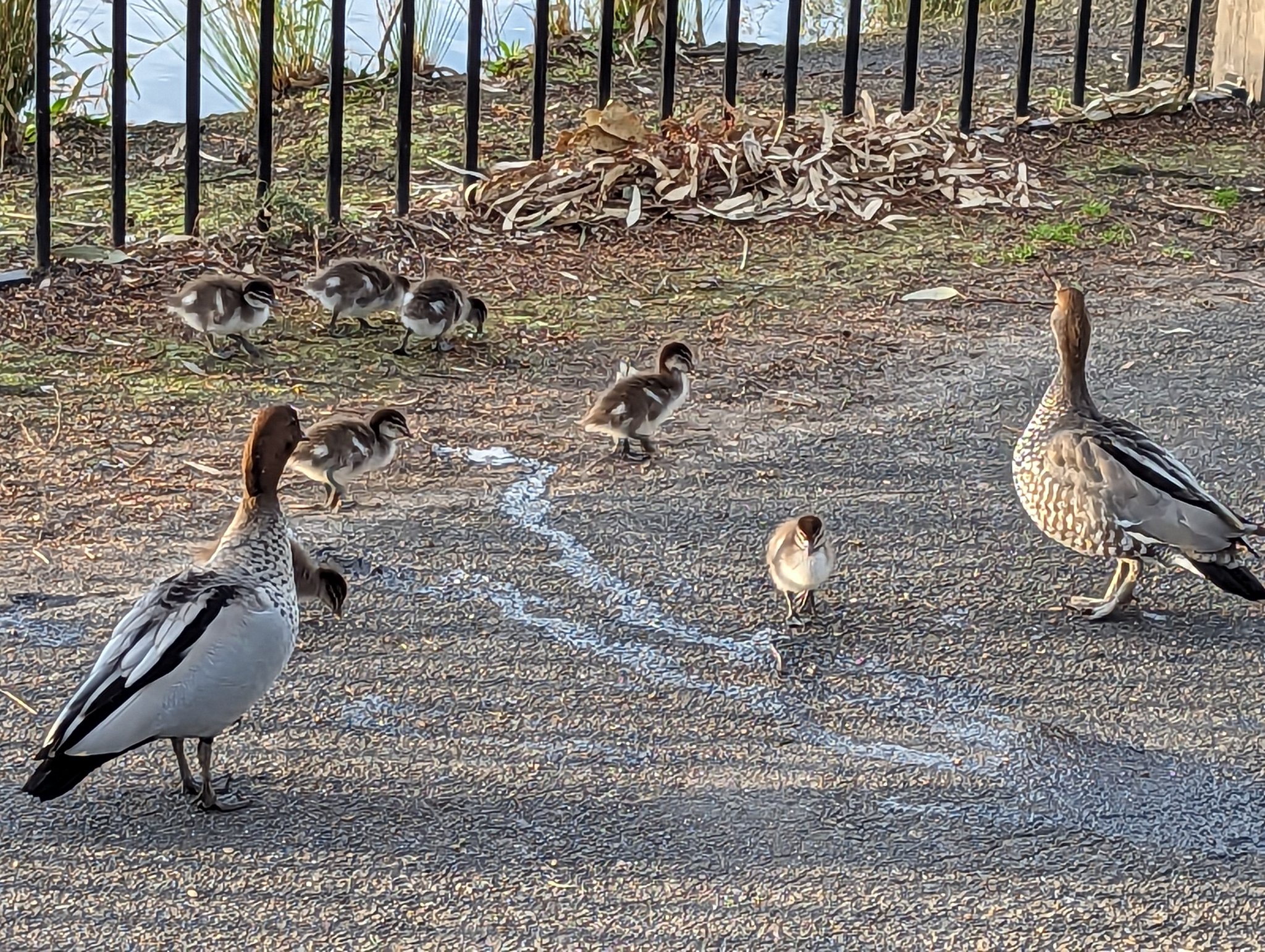

.DWwSmxDV.jpg) Some examples of heavy AI (diffusion) artifacting from the Google Pixel 6 and Pixel 9 respectively
Some examples of heavy AI (diffusion) artifacting from the Google Pixel 6 and Pixel 9 respectively
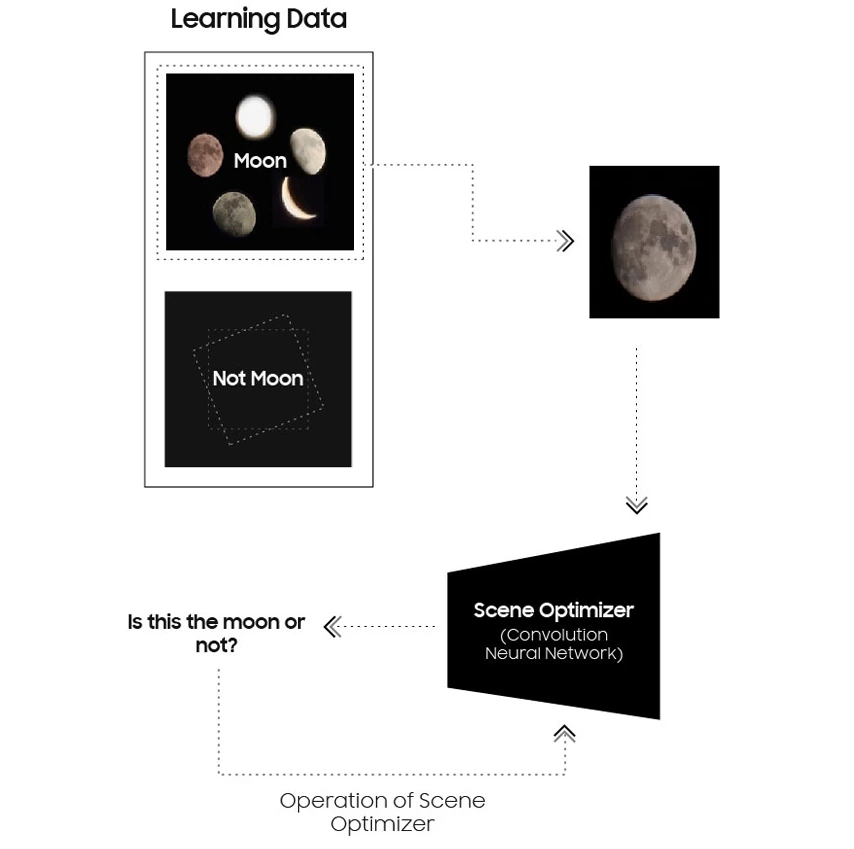 Samsung notoriously trained an image recognition algorithm to replace blurry images of the moon, even if the object/ image presented to the camera wasn't actually a clear view of the moon
If image quality isn't reason enough to want to avoid AI image processing, there is also evidence that modified photos, especially AI modified smartphone, are literally altering our memories— Synthetic Human Memories: AI-Edited Images and Videos Can Implant False Memories and Distort Recollection
Compression
Smartphone photo quality is bad to begin with, but things only get worse from there.
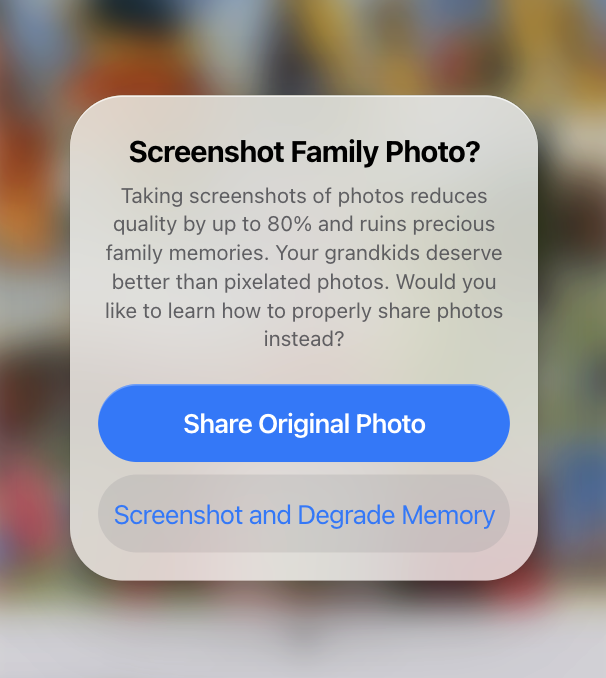 Phones should detect when you're trying to screenshot something that makes no sense to screenshot.
Photo degradation isn't unique to cellphone photography, it's an issue inherent to all digital photography. Every time a photograph is screenshot, sms messaged, or emailed there is compression and resolution reduction that occurs. This process removes pixels from the image, degrading its quality.
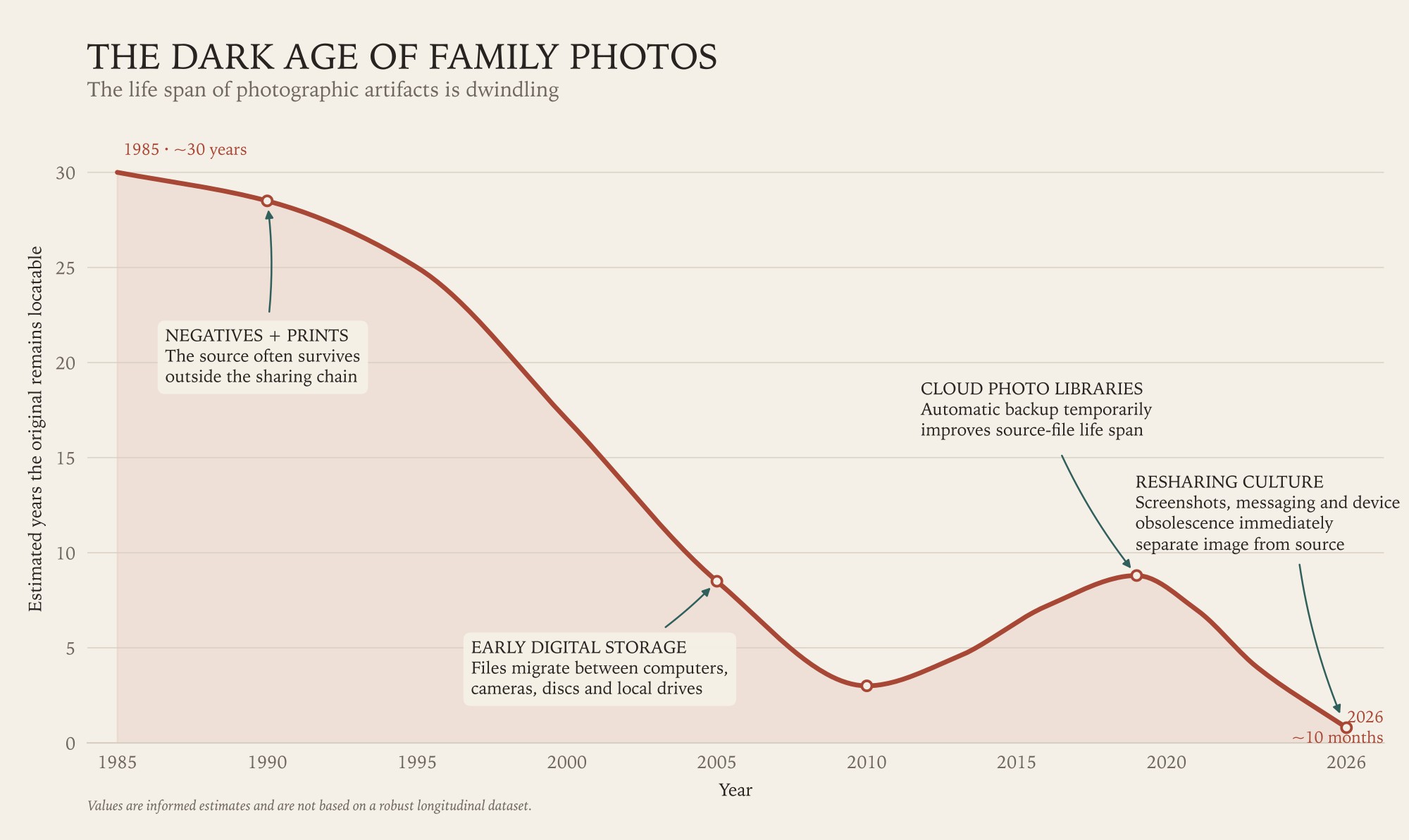 The average lifespan of an image file is now only about 10 months.
A family photo is shared and reshared multiple times within days or weeks of it being taken. The average lifespan of an original digital photo file is now less than one year.
This is much different from the era of shoebox photos, copies of photos were almost always created from the original negative. Screenshotting has become a ubiquitous method for people, especially those of the baby boomer generation, to quickly share photos.
Buy a Real Camera
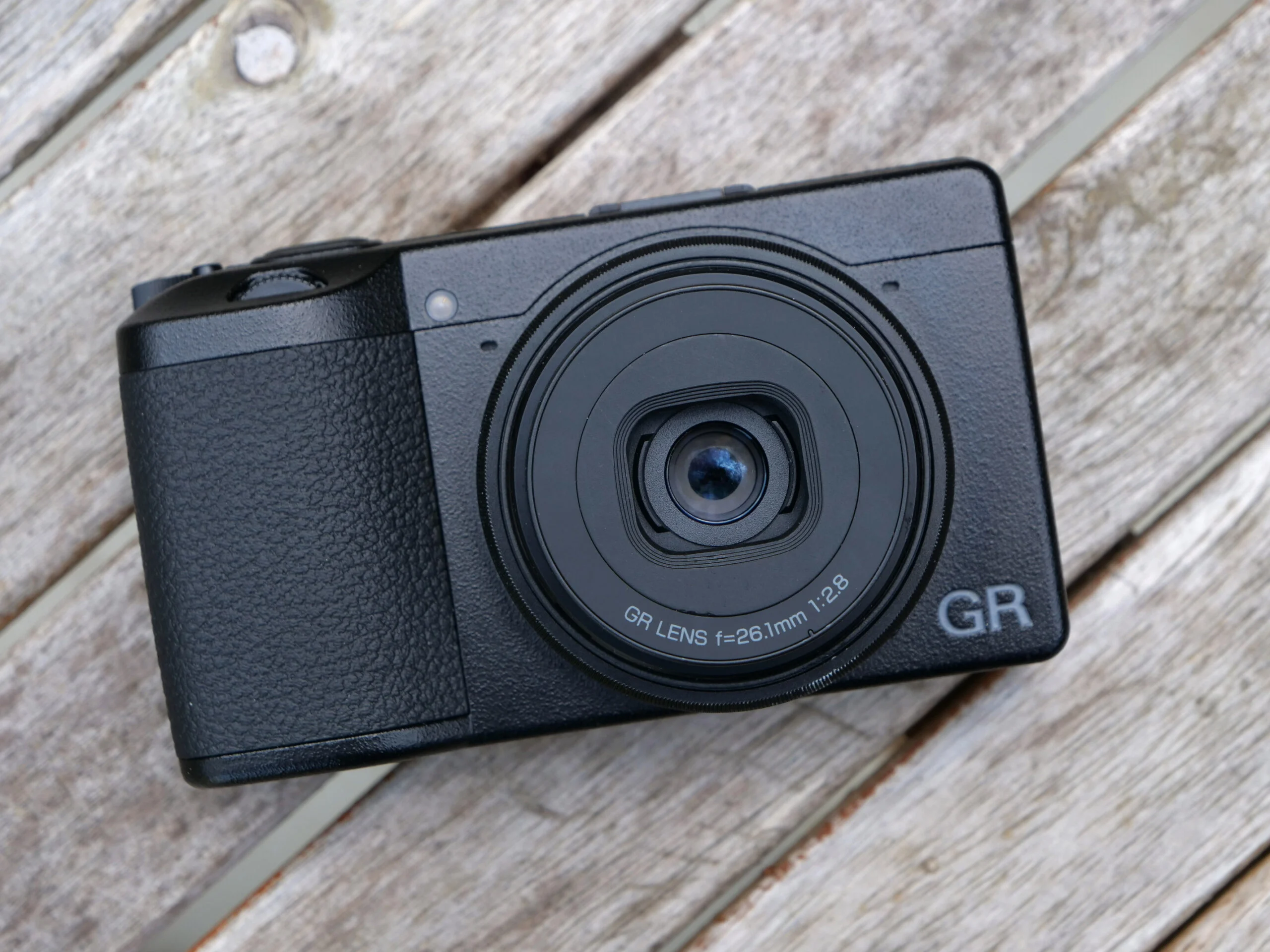 There are numerous great point-and-shoot cameras, like this Ricoh GR, that can fit in a pocket
If you have children or take any photos that are meaningful to you, you should get yourself a real camera; a real camera is anything with at least an APS-C sized sensor, and no built-in AI functionality. Most cameras include an auto mode, where focus, exposure, and white balance are handled for you. You do not need to learn a new skillset to use these cameras, and they will reward you with real photos that you can treasure for years.
Once you've done this, I then also encourage you to PRINT your photos; ultimately, nothing in the digital realm is real; for a photo to be truly real, it must be brought into the physical world.